Bear Tree Lodge

Category: Researched Guides

  • How to Compare Cabins, Forest Stays, Wildlife Trips, and Nature Getaways

    How to Compare Cabins, Forest Stays, Wildlife Trips, and Nature Getaways

    A nature-focused trip can mean very different things: a cabin that serves as a comfortable base, a campground deep in a forest, a lodging stay near scenic outdoor areas, or a getaway built around patient wildlife watching. The right choice is not the most remote or the most amenity-rich one. It is the option whose setting, comfort level, access, and responsibilities match the trip you actually want to take.
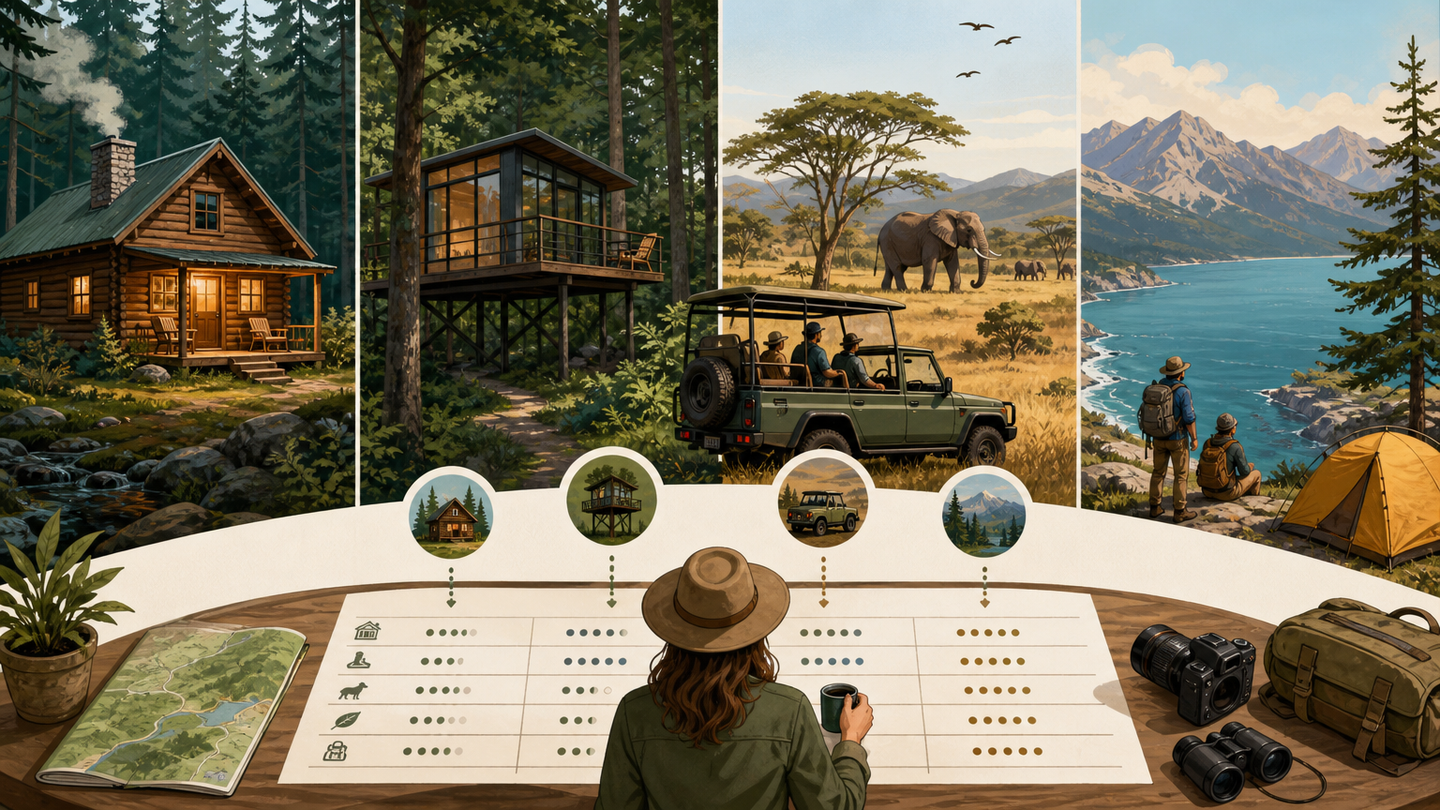
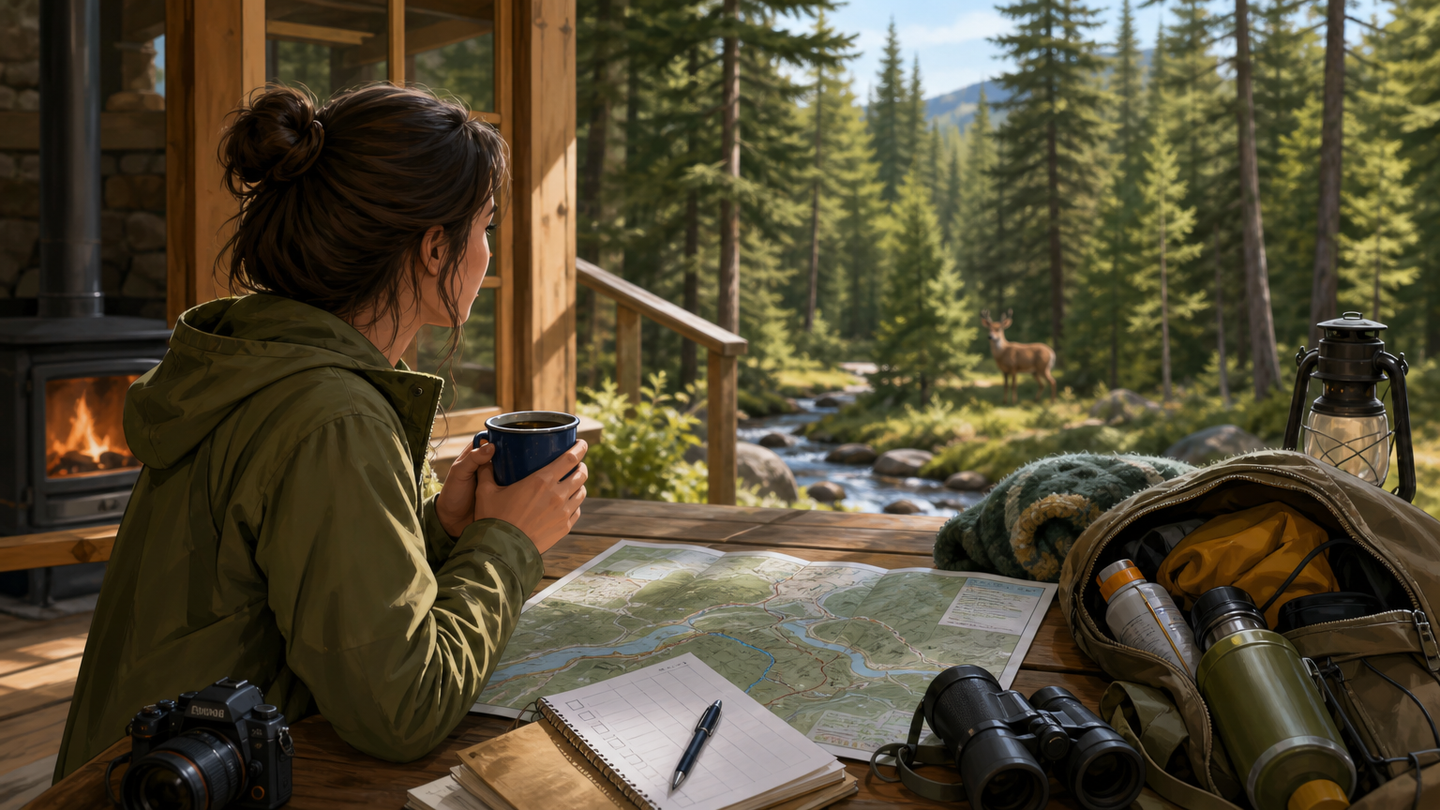
    Supporting editorial scene for How to Compare Cabins, Forest Stays, Wildlife Trips, and Nature Getaways
    How to Compare Cabins, Forest Stays, Wildlife Trips, and Nature Getaways: supporting editorial illustration.

    The easiest way to compare options is to separate the trip into four questions: Where will you sleep? How much self-sufficiency does the setting require? What outdoor experiences matter most? And how much uncertainty are you comfortable managing? Once those answers are clear, the differences between a cabin stay, a developed campground, a simpler forest site, and a wildlife-centered itinerary become much easier to weigh.

    Start With the Experience You Want

    A cabin or lodge-style stay usually works best when the accommodation itself is part of the retreat. You may want shelter from changing weather, a dependable place to return to after a walk or scenic drive, and a more settled rhythm for meals, rest, and packing. This choice can suit travelers who want time outdoors without making every part of the trip an outdoor task.

    A campground shifts the emphasis toward the setting. Even among public-land campgrounds, facilities can range from relatively developed to quite minimal. That difference matters more than the word “campground” alone. A site with more services may reduce logistical work, while a simpler site can offer a stronger sense of being immersed in the landscape but demand more preparation and comfort with fewer conveniences.

    A forest stay is less a single accommodation category than a style of trip. It may involve a cabin, campsite, or other lodging near trails, wooded roads, overlooks, and dispersed recreation opportunities. Its appeal is often flexibility: you can shape days around walking, driving, quiet time outdoors, or simply observing the conditions around you. In exchange, access can be more variable, and the distance between services may be greater.

    A wildlife-focused trip is different again. Wildlife viewing is an activity that can enrich a cabin, campground, or forest itinerary, but it should not be treated as a guaranteed show. Choose it when you are happy to spend time moving slowly, looking carefully, and valuing the setting even if animals remain distant or unseen. The best wildlife itinerary leaves room for observation without making the entire trip feel unsuccessful if sightings are limited.

    Compare Lodging, Access, and Daily Rhythm

    Begin with the sleeping arrangement, then look outward. A cabin may offer a more protected base, whereas camping requires you to bring more of your own comfort system. Neither is automatically better. The useful question is whether you want to devote energy to camp setup, cooking, weather management, and packing—or preserve more of that energy for exploring.

    Next, compare the level of development at the specific location. Do not assume that every forest cabin has the same utilities or that every campground has the same facilities. Individual sites can differ substantially, and reservation practices can differ as well. Planning tools that list camping and lodging can help narrow choices and review location and reservation details, but the individual facility information is what turns a broad idea into a practical plan.

    Access deserves equal weight. Consider the route to the site, the condition of roads, the kind of vehicle needed, and how easy it will be to reach your planned activities once you arrive. A more remote option may be appealing precisely because it feels removed, but remoteness can also mean longer drives, less direct navigation, and fewer easy alternatives if conditions change. Carrying a paper map and compass provides a useful backup, particularly where signal or navigation tools may be less dependable.

    Your preferred daily rhythm is another deciding factor. A cabin-centered getaway often favors a home-base pattern: head out, return, regroup, and go out again if you wish. Camping can favor a slower, place-based day in which the campsite is part of the experience. A wildlife itinerary may require the most patience and flexibility, since observation is shaped by conditions and animal behavior rather than a fixed schedule.

    Plan Wildlife Viewing as an Activity, Not a Promise

    Wildlife can make any nature trip memorable, but respectful viewing starts with distance. Animals are wild, and they should not be touched, fed, or harassed. Food storage is part of that responsibility: when animals obtain human food, the result can include unwanted and aggressive behavior.

    Binoculars or a spotting scope are especially useful comparison points for a wildlife-oriented trip because they let you observe more while staying farther away. They also change the experience from pursuing an encounter to noticing behavior at a respectful distance. That approach is safer for both visitors and animals.

    Distance rules are not identical everywhere. Many parks use a general guideline of 25 yards for most wildlife and 100 yards for bears and wolves, but local requirements can be different. Treat those figures as examples, not a substitute for the rules at the destination you choose. A trip built around wildlife should include time to learn the local expectations before heading out.

    It also helps to compare places by the type of viewing they support rather than by an assumption that wildlife will be present. An open viewpoint, a quiet trail, a shoreline, or simply time spent outdoors may create opportunities to observe from afar. The experience remains worthwhile when the goal is attention and restraint rather than a close encounter.

    Make Safety and Self-Sufficiency Part of the Comparison

    The more self-contained and remote an option is, the more preparation belongs in the decision—not as an afterthought. Check the forecast before outdoor activities, and make a weather plan that includes what you will do if lightning threatens. An enclosed building or hard-topped vehicle is the appropriate shelter in that situation; a tent or open shelter is not an equivalent substitute.

    Wooded, brushy, and grassy environments can also expose travelers to ticks. Compare destinations and activities with your willingness to take routine precautions, reduce exposure, and check for ticks after time outdoors. This is not a reason to avoid forests; it is one of the ordinary responsibilities of spending time there.

    For trips involving forest roads, longer walks, or less-developed sites, share your plan with a trusted contact. Include where you expect to be, how you intend to travel, and when you expect to return. Road conditions and access needs can change the practical character of a trip, so build your plan around the route rather than the map distance alone.

    Choose the Option That Fits Your Real Priorities

    Choose a cabin or lodge-style stay when comfort, weather protection, and a reliable base matter most. Choose a developed campground when you want outdoor living with some structure and fewer unknowns. Choose a simpler forest site when immersion and independence are central to the appeal and you are prepared for limited amenities. Choose a wildlife-centered itinerary when patient observation, ethical distance, and flexibility matter more than certainty.

    Many of the most satisfying getaways combine these categories: a comfortable cabin near forest access, a campground used as a base for quiet wildlife watching, or a forest lodging stay with a modest daily outdoor plan. The key is to avoid choosing by label alone. Compare the particular site, route, facilities, outdoor goals, and responsibilities, then select the arrangement that supports the pace of trip you want.

    Before finalizing plans, confirm the destination’s current access conditions, facility details, reservation requirements, weather, and local wildlife rules. A well-matched nature getaway is not defined by how rugged it sounds; it is defined by how comfortably and responsibly it lets you spend time outdoors.

    Information may contain errors, omissions, or outdated details. Confirm time-sensitive information with the relevant official or authoritative source.
  • Your First Cabin and Forest Getaway: What to Expect and How to Plan

    Your First Cabin and Forest Getaway: What to Expect and How to Plan

    A first cabin or forest getaway can be wonderfully simple: a place to sleep, time outside, and a closer look at a landscape that runs on a different rhythm than daily life. It also asks a little more of you than a conventional overnight stay. Roads may be less direct, cell service may be inconsistent, amenities can be limited, and wildlife deserves space. Planning for those realities is what lets the trip feel restorative rather than uncertain.

    Supporting editorial scene for Your First Cabin and Forest Getaway: What to Expect and How to Plan
    Your First Cabin and Forest Getaway: What to Expect and How to Plan: supporting editorial illustration.

    Before the first experience: choose the stay, not just the scenery

    “Cabin” can describe very different experiences. One property may feel close to a traditional lodging stay, while another may be a basic shelter in a remote recreation area. Likewise, campgrounds and public-land facilities range from highly developed locations to places with few amenities. Do not assume that a cabin automatically includes the same comforts, access, or services you would expect elsewhere.

    Start by deciding what kind of experience you want. Are you looking for a quiet base for short walks and wildlife viewing, or are you comfortable with a more remote stay where getting there is part of the adventure? That choice shapes nearly every other decision: what you pack, how you travel, how much food and water you bring, and how much time you allow for arrival and departure.

    Reservation platforms can be useful for finding camping and lodging options, reviewing location information, and keeping reservation details together. But the listing is only the beginning. Read the page for the individual facility carefully, because the details that matter most are often specific to that site: the approach road, parking arrangement, available amenities, and local rules.

    What to expect when the setting is less developed

    The appeal of a forest stay is often its distance from the routines of town. That same distance can mean fewer conveniences. A facility may have substantial amenities, minimal amenities, or something in between. Build your plan around what is actually stated for your chosen location rather than around a mental picture of what a cabin should be.

    Think through the practical rhythm of the stay before you leave. How will you arrive if roads are slower or rougher than expected? What will you need after dark? Where will you keep food? What will you do if rain changes your outdoor plans? A compact, intentional packing list is more useful than bringing every possible item.

    Navigation deserves special attention. Check road conditions before you set out, consider whether the route calls for a vehicle suited to the access road, and carry a paper map and compass as backups. Digital directions are convenient, but they should not be your only plan in a forest setting. Share your trip plan with a trusted person, including where you expect to be and when you expect to return.

    Weather is another part of the experience, not a background detail. Check the forecast before heading outdoors and remain willing to adjust the day. If lightning threatens, move to a substantial enclosed building or a hard-topped vehicle rather than waiting it out outside.

    A simple first-trip mindset

    For a first nature-focused overnight, leave room in the schedule. Arriving before you are tired or rushed makes it easier to find the site, get oriented, and settle in while there is still plenty of light. Treat the first evening as time to learn the place: notice the paths, the terrain, the storage arrangements, and the boundaries of the area you will use.

    You do not need to fill every hour with an activity. Sitting outside, listening for birds, taking a short walk, or looking through binoculars can be a complete part of the trip. The goal is not to conquer a landscape; it is to be comfortable enough to pay attention to it.

    Wildlife viewing means giving animals room

    Seeing an animal can become the most memorable moment of a forest trip. The best approach is calm observation from a distance. Wild animals should not be touched, fed, or harassed. Food can change animal behavior and may encourage aggressive encounters, so store it properly and keep it out of reach.

    Binoculars or a spotting scope make wildlife viewing more enjoyable because they let you see detail without moving closer. Keep watching conditions in mind as well: an animal’s behavior, terrain, nearby young, and local rules all affect what a safe encounter looks like.

    Some parks use guidance such as 25 yards from most wildlife and 100 yards from bears and wolves, but those distances are not universal. Requirements vary by destination, so follow the rules for the specific place you are visiting. If an animal notices you, changes its behavior, or appears to be moving toward you, create more distance.

    Forests, brushy areas, and grass can also be places where ticks occur. Reduce exposure when you are outdoors and make tick checks part of the routine when you return from a walk or at the end of the day. It is a small habit that fits naturally into unpacking, showering, or changing clothes.

    Questions worth asking before you leave

    A few focused questions can prevent most first-trip surprises:

    • What amenities are actually provided, and what must I bring? – What is the final stretch of access like, and are there road or vehicle considerations? – Where should food be stored, and are there destination-specific wildlife rules? – Is there a reliable map of the area, and what is my backup if my phone cannot help? – What weather conditions would change my plans for walking, driving, or being outdoors? – Who has my trip plan and knows when I expect to return?

    These are not reasons to overcomplicate the getaway. They are the basics that create freedom once you arrive. When the logistics are handled, you can spend less energy improvising and more time enjoying the setting.

    Starting with confidence

    Your first cabin and forest trip does not need to be remote, rugged, or perfectly planned to feel meaningful. A modest stay with a clear plan is an excellent place to begin. Choose a setting whose facilities and access match your comfort level, arrive prepared for changing conditions, and let the landscape set a slower pace.

    The lasting skill is learning to replace assumptions with a few practical checks: know what the site offers, know how you will get there and back, prepare for weather, and respect wildlife as wildlife. Verify the current rules, access conditions, and facility details for your specific destination before you go. With those pieces in place, a cabin getaway becomes less about uncertainty and more about the pleasure of waking up close to the forest.

    Information may contain errors, omissions, or outdated details. Confirm time-sensitive information with the relevant official or authoritative source.
  • Planning a Cabin, Forest, and Wildlife Getaway

    Planning a Cabin, Forest, and Wildlife Getaway

    A cabin or forest getaway can be as simple as a quiet place to sleep near the trees, or it can be the base for hiking, wildlife watching, and long days outside. The difference between a restorative trip and a frustrating one usually comes down to fit: choosing a setting that matches your comfort level, understanding what the lodging actually provides, and planning to enjoy nature without disrupting it.

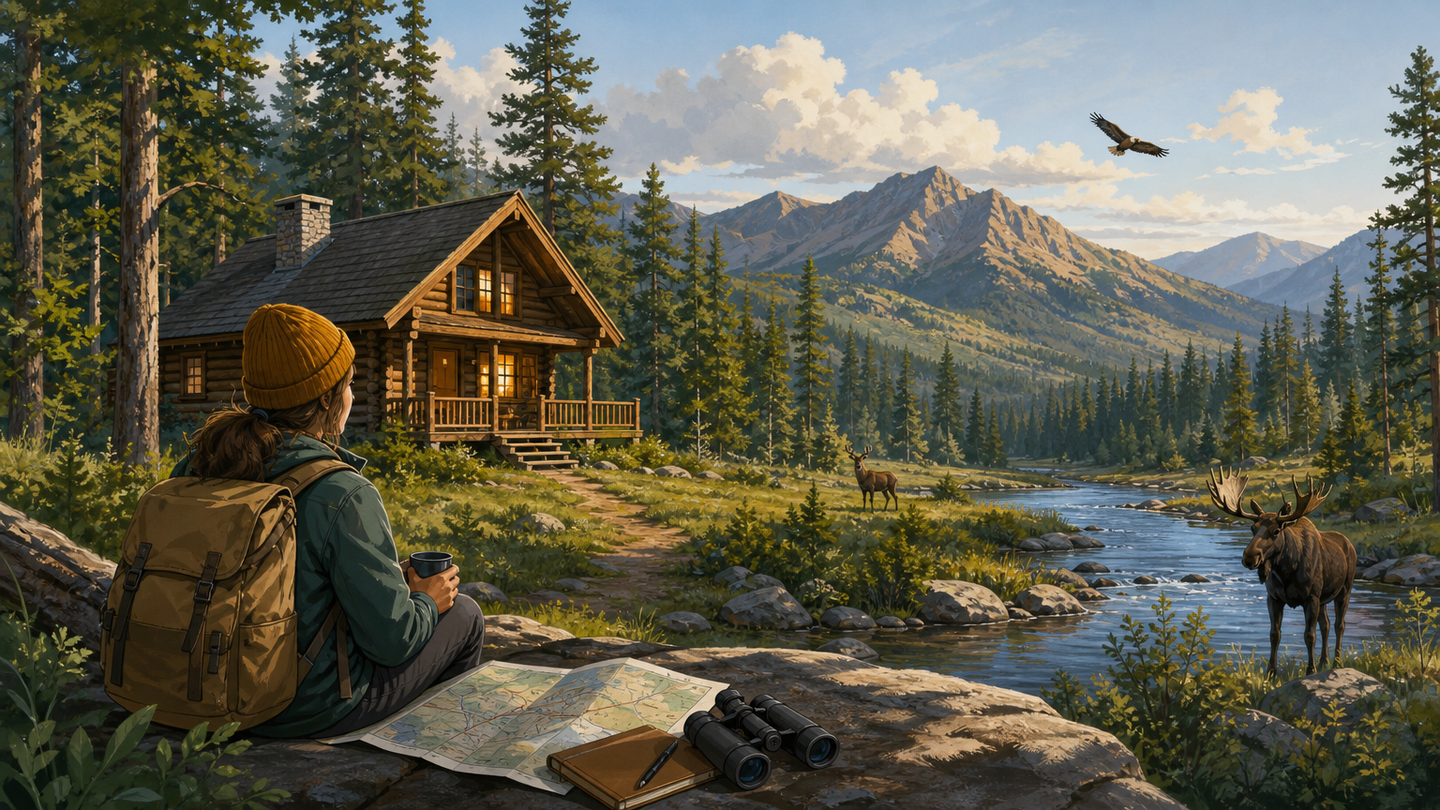
    Supporting editorial scene for Planning a Cabin, Forest, and Wildlife Getaway
    Planning a Cabin, Forest, and Wildlife Getaway: supporting editorial illustration.

    Start With the Kind of Trip You Want

    Begin with the experience, not the building. Decide whether your priority is solitude, easy access to outdoor recreation, a comfortable indoor retreat, wildlife observation, or a mix of all four. A cabin close to developed services may suit travelers who want a dependable base and straightforward access. A more remote forest stay can offer a stronger sense of separation, but it may also involve rougher roads, fewer amenities, and greater self-sufficiency.

    Think honestly about how you want to spend your time. If the main goal is reading, cooking, and taking short walks, a simple setting with reliable access may be enough. If you hope to explore trails or watch wildlife, look for a location that makes those activities practical without turning every outing into a complicated drive. The best nature trip leaves room for unplanned quiet moments rather than filling every hour.

    Forest lodging and campgrounds are not interchangeable. Some sites are highly developed, while others have very limited amenities. A cabin may feel rustic even when it has basic comforts, and a campground may range from a service-oriented facility to a minimal site. Treat each location as its own proposition: review the individual facility details so that your expectations about access, sleeping arrangements, water, sanitation, and nearby recreation match the reality of the stay.

    Choose Lodging and Access for Real-World Comfort

    Reservation platforms can be useful starting points for locating camping and lodging and reviewing reservation and location information. Once you have narrowed the choices, focus on the practical details that shape the trip from arrival through departure.

    Consider the route as part of the lodging

    A beautiful cabin is less appealing if reaching it exceeds your vehicle, driving comfort, or daylight plan. Check road conditions before leaving, especially when the route includes forest roads. Some approaches may be better suited to four-wheel-drive vehicles, and conditions can change. Bring a hard-copy map and compass as backups rather than relying entirely on a phone.

    Access also affects how you pack. A lodging site close to the vehicle can support a more comfortable setup, while a place requiring more effort to reach rewards a lighter, simpler plan. Either way, tell a trusted person where you plan to be and what your general itinerary looks like. This small habit gives a forest trip a useful safety margin without making it feel over-managed.

    Match amenities to your tolerance for simplicity

    Do not assume that the word “cabin” guarantees the same level of convenience from one place to another. Before committing to a stay, establish what is available on site and what you will need to bring. The key is not to pursue maximum comfort or maximum ruggedness; it is to choose the level of simplicity you will enjoy.

    A well-matched stay feels freeing. You know what to expect, can organize meals and clothing around the setting, and do not spend the first evening compensating for missing essentials. If details are unclear, plan conservatively: a backup layer, a paper map, and a self-contained approach to your day make a broader range of forest settings manageable.

    Make Wildlife Viewing a Practice of Distance

    Wildlife is often the most memorable part of a nature trip, precisely because it is not staged. The goal is to see animals behaving naturally, not to get closer than the situation allows. Keep a safe distance, never feed, touch, or harass an animal, and allow it a clear path away from people.

    Distance rules differ by destination. Many parks use 25 yards as guidance for most wildlife and 100 yards for bears and wolves, but local requirements can be different. Treat those figures as an example, not a universal rule, and follow the rules where you are visiting. If an animal notices you, changes its behavior, or seems to be responding to your presence, create more space.

    Binoculars and spotting scopes make this approach much more rewarding. They let you observe details while preserving the animal’s space and your own safety. A closer photograph is never worth disturbing wildlife or placing yourself in a poor position.

    Food habits matter, too. Animals that obtain human food can become more aggressive. Store food properly, keep eating areas tidy, and do not leave food available outdoors. These choices protect wildlife as well as the people sharing the area.

    Plan Around Weather, Light, and Time Outdoors

    Nature travel works best when the plan is flexible enough to respond to conditions. Check the forecast before outdoor activity, then make daily choices based on what the weather is doing rather than what the itinerary originally promised. A shorter walk, a slower morning, or time spent enjoying the cabin can be the right decision when conditions shift.

    Lightning requires a clear response. When it threatens, move to a substantial enclosed building or a hard-topped vehicle. Open shelters and exposed outdoor spaces are not substitutes. Build this possibility into your day by noticing where your nearest suitable shelter or vehicle will be before you head out.

    In wooded, brushy, and grassy places, also plan for ticks. Reduce exposure while outdoors and check yourself after spending time outside. A brief check at the end of a walk is easier than treating it as an afterthought once the trip is over.

    Put the Plan to Work Without Overplanning

    A strong cabin-and-forest itinerary has a simple rhythm: one or two priorities for the day, enough supplies for the outing, and permission to adjust. Set aside time for the journey to the trailhead or viewing area, for quiet observation, and for returning before you are rushed. This rhythm is especially valuable for wildlife watching, where patience is more useful than a packed agenda.

    Keep the essentials together: navigation backups, weather-appropriate clothing, food stored responsibly, and the information needed to return to your lodging. Then let the place do some of the work. Sit outside when conditions are comfortable, scan a meadow or treeline with binoculars, take a short walk without treating it as a mission, and notice how the sounds and light change through the day.

    The point of planning is not to control a forest trip. It is to remove the avoidable problems that distract from it. Choose a lodging style that fits, understand the approach and amenities, give wildlife room, and stay responsive to weather. Verify the destination’s current access conditions, facility details, and local rules before you travel. With those foundations in place, a cabin getaway can remain what it should be: time set aside to live at a more attentive pace outdoors.

    Information may contain errors, omissions, or outdated details. Confirm time-sensitive information with the relevant official or authoritative source.