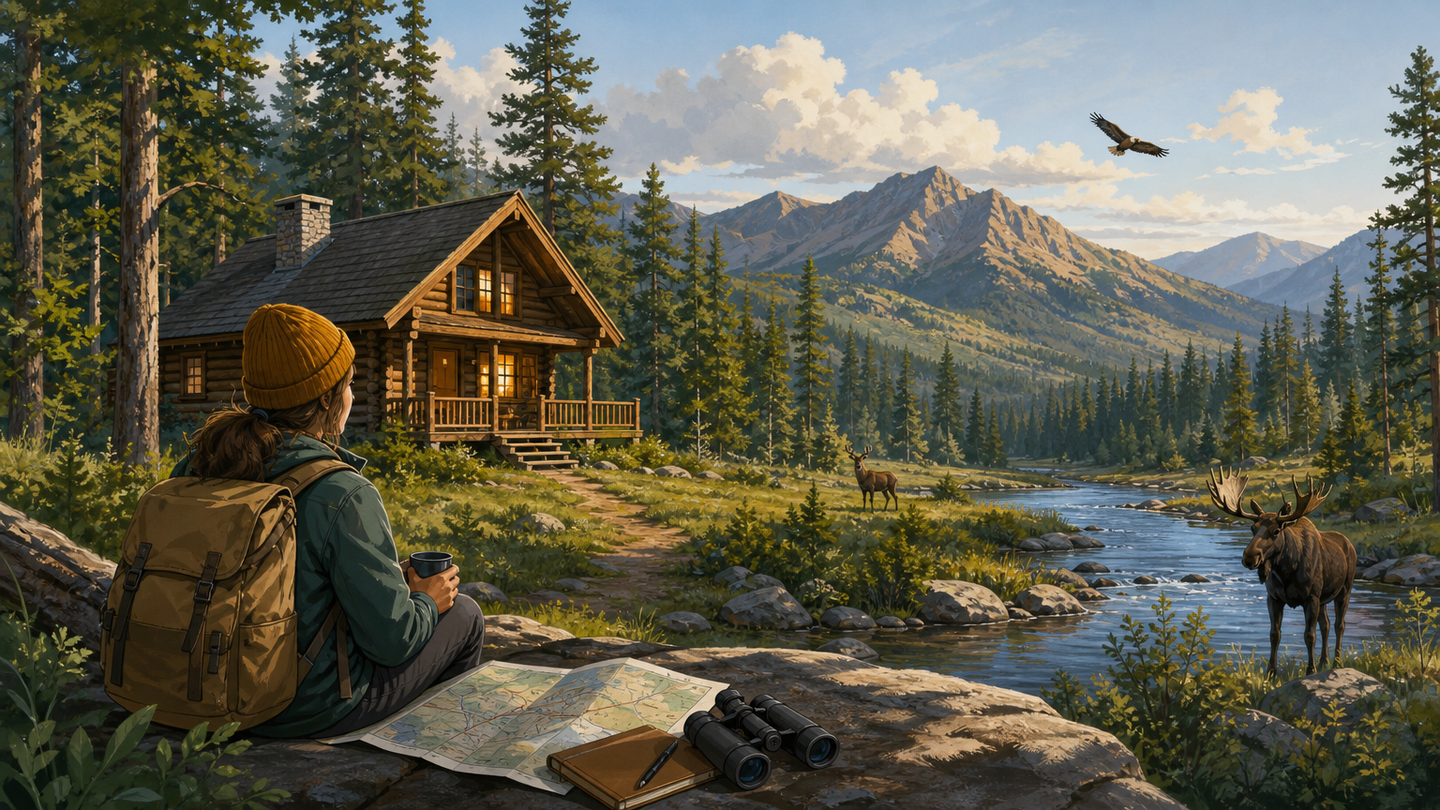
A cabin or forest getaway can be as simple as a quiet place to sleep near the trees, or it can be the base for hiking, wildlife watching, and long days outside. The difference between a restorative trip and a frustrating one usually comes down to fit: choosing a setting that matches your comfort level, understanding what the lodging actually provides, and planning to enjoy nature without disrupting it.
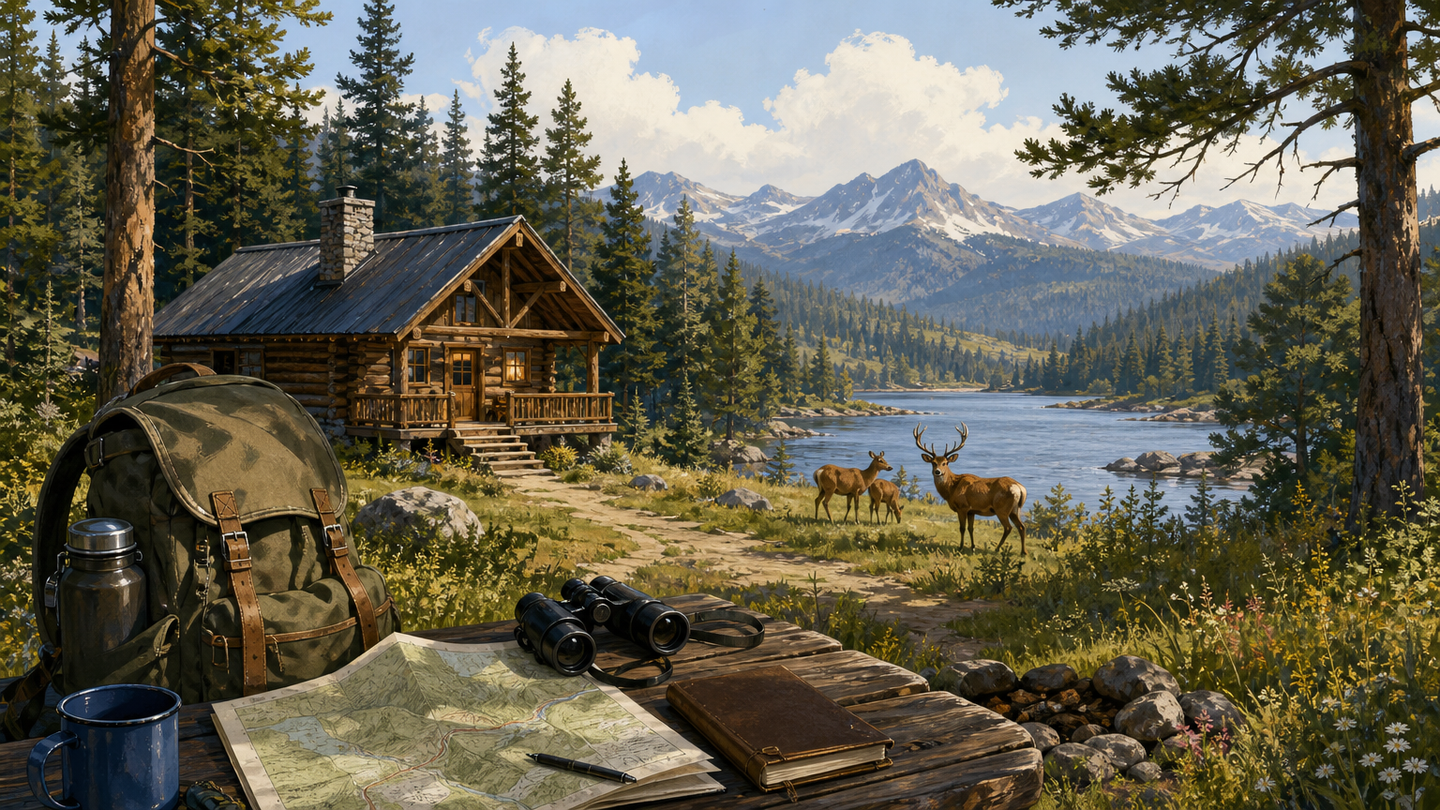
Start With the Kind of Trip You Want
Begin with the experience, not the building. Decide whether your priority is solitude, easy access to outdoor recreation, a comfortable indoor retreat, wildlife observation, or a mix of all four. A cabin close to developed services may suit travelers who want a dependable base and straightforward access. A more remote forest stay can offer a stronger sense of separation, but it may also involve rougher roads, fewer amenities, and greater self-sufficiency.
Think honestly about how you want to spend your time. If the main goal is reading, cooking, and taking short walks, a simple setting with reliable access may be enough. If you hope to explore trails or watch wildlife, look for a location that makes those activities practical without turning every outing into a complicated drive. The best nature trip leaves room for unplanned quiet moments rather than filling every hour.
Forest lodging and campgrounds are not interchangeable. Some sites are highly developed, while others have very limited amenities. A cabin may feel rustic even when it has basic comforts, and a campground may range from a service-oriented facility to a minimal site. Treat each location as its own proposition: review the individual facility details so that your expectations about access, sleeping arrangements, water, sanitation, and nearby recreation match the reality of the stay.
Choose Lodging and Access for Real-World Comfort
Reservation platforms can be useful starting points for locating camping and lodging and reviewing reservation and location information. Once you have narrowed the choices, focus on the practical details that shape the trip from arrival through departure.
Consider the route as part of the lodging
A beautiful cabin is less appealing if reaching it exceeds your vehicle, driving comfort, or daylight plan. Check road conditions before leaving, especially when the route includes forest roads. Some approaches may be better suited to four-wheel-drive vehicles, and conditions can change. Bring a hard-copy map and compass as backups rather than relying entirely on a phone.
Access also affects how you pack. A lodging site close to the vehicle can support a more comfortable setup, while a place requiring more effort to reach rewards a lighter, simpler plan. Either way, tell a trusted person where you plan to be and what your general itinerary looks like. This small habit gives a forest trip a useful safety margin without making it feel over-managed.
Match amenities to your tolerance for simplicity
Do not assume that the word “cabin” guarantees the same level of convenience from one place to another. Before committing to a stay, establish what is available on site and what you will need to bring. The key is not to pursue maximum comfort or maximum ruggedness; it is to choose the level of simplicity you will enjoy.
A well-matched stay feels freeing. You know what to expect, can organize meals and clothing around the setting, and do not spend the first evening compensating for missing essentials. If details are unclear, plan conservatively: a backup layer, a paper map, and a self-contained approach to your day make a broader range of forest settings manageable.
Make Wildlife Viewing a Practice of Distance
Wildlife is often the most memorable part of a nature trip, precisely because it is not staged. The goal is to see animals behaving naturally, not to get closer than the situation allows. Keep a safe distance, never feed, touch, or harass an animal, and allow it a clear path away from people.
Distance rules differ by destination. Many parks use 25 yards as guidance for most wildlife and 100 yards for bears and wolves, but local requirements can be different. Treat those figures as an example, not a universal rule, and follow the rules where you are visiting. If an animal notices you, changes its behavior, or seems to be responding to your presence, create more space.
Binoculars and spotting scopes make this approach much more rewarding. They let you observe details while preserving the animal’s space and your own safety. A closer photograph is never worth disturbing wildlife or placing yourself in a poor position.
Food habits matter, too. Animals that obtain human food can become more aggressive. Store food properly, keep eating areas tidy, and do not leave food available outdoors. These choices protect wildlife as well as the people sharing the area.
Plan Around Weather, Light, and Time Outdoors
Nature travel works best when the plan is flexible enough to respond to conditions. Check the forecast before outdoor activity, then make daily choices based on what the weather is doing rather than what the itinerary originally promised. A shorter walk, a slower morning, or time spent enjoying the cabin can be the right decision when conditions shift.
Lightning requires a clear response. When it threatens, move to a substantial enclosed building or a hard-topped vehicle. Open shelters and exposed outdoor spaces are not substitutes. Build this possibility into your day by noticing where your nearest suitable shelter or vehicle will be before you head out.
In wooded, brushy, and grassy places, also plan for ticks. Reduce exposure while outdoors and check yourself after spending time outside. A brief check at the end of a walk is easier than treating it as an afterthought once the trip is over.
Put the Plan to Work Without Overplanning
A strong cabin-and-forest itinerary has a simple rhythm: one or two priorities for the day, enough supplies for the outing, and permission to adjust. Set aside time for the journey to the trailhead or viewing area, for quiet observation, and for returning before you are rushed. This rhythm is especially valuable for wildlife watching, where patience is more useful than a packed agenda.
Keep the essentials together: navigation backups, weather-appropriate clothing, food stored responsibly, and the information needed to return to your lodging. Then let the place do some of the work. Sit outside when conditions are comfortable, scan a meadow or treeline with binoculars, take a short walk without treating it as a mission, and notice how the sounds and light change through the day.
The point of planning is not to control a forest trip. It is to remove the avoidable problems that distract from it. Choose a lodging style that fits, understand the approach and amenities, give wildlife room, and stay responsive to weather. Verify the destination’s current access conditions, facility details, and local rules before you travel. With those foundations in place, a cabin getaway can remain what it should be: time set aside to live at a more attentive pace outdoors.
Information may contain errors, omissions, or outdated details. Confirm time-sensitive information with the relevant official or authoritative source.